
Tesla Leasing
Electric Cars Designed Around Technology
Tesla approaches vehicle design from a technology-first perspective. Every model in the range is fully electric, built around software integration, efficiency and ease of use rather than traditional automotive hierarchy. For MY2026, Tesla continues to focus on simplicity, strong real-world range and ownership that removes many of the complexities associated with conventional cars.
Rather than offering layered trim structures, Tesla vehicles are specified in a straightforward way. Buyers choose the model, battery and drivetrain, with most technology included as standard. This approach suits drivers who value usability, predictable costs and a car that integrates seamlessly into daily life, particularly business users and EV-first private customers.
The Current UK Tesla Line-Up
For the UK market in MY2026, Tesla’s range is centred on two models that are fully optimised for right-hand drive use and everyday British driving conditions.
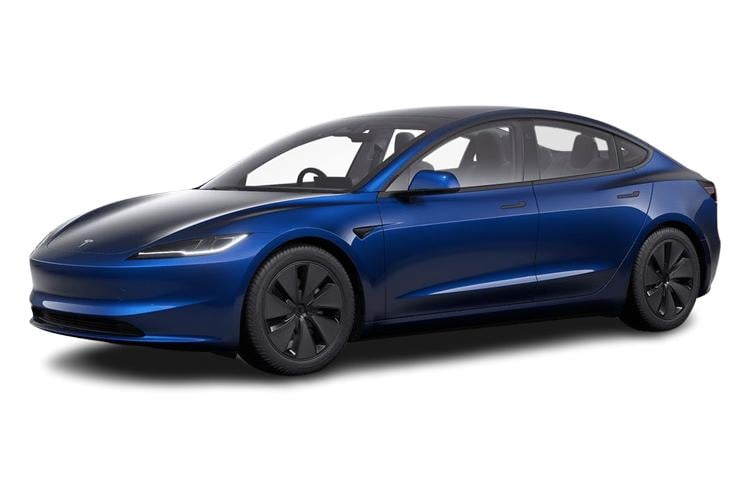
Tesla Model 3
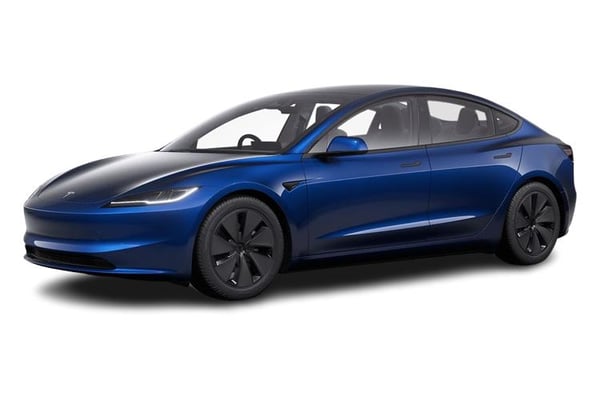
The Tesla Model 3 is a compact electric saloon focused on efficiency, usability and low running costs. Its clean exterior design is shaped by aerodynamics rather than decoration, while the interior follows a minimalist layout built around a central touchscreen.
On the road, the Model 3 delivers instant response and a calm, predictable driving experience. Acceleration is effortless rather than aggressive, making it well suited to commuting, motorway travel and business mileage. Real-world range is competitive, and access to Tesla’s charging network adds confidence for drivers covering longer distances.
Practicality is strong for its size, with usable rear seating, a generous boot and additional front storage. Combined with low servicing requirements and strong residual values, the Model 3 remains one of the most popular electric cars for company car drivers and salary sacrifice schemes.
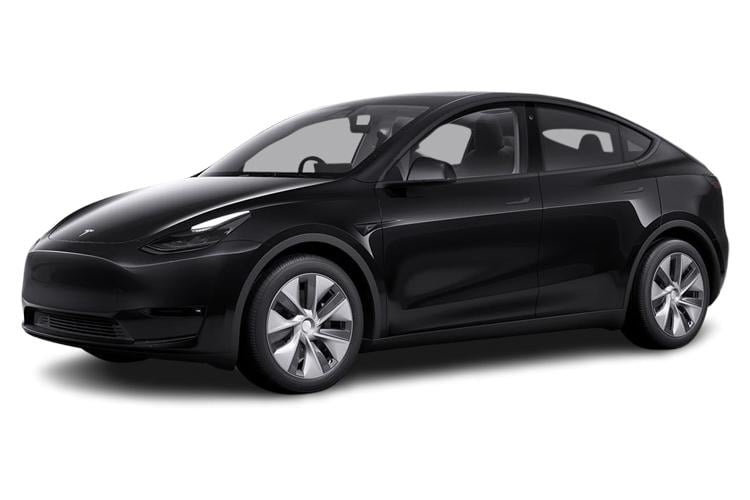
Tesla Model Y
The Tesla Model Y builds on the Model 3 platform with a taller body style and increased interior space. It is positioned as a family-friendly electric SUV without adopting the bulk or complexity of traditional SUVs.
The higher seating position improves visibility, while the larger boot and flexible rear seating make the Model Y better suited to family use or drivers who need extra cargo capacity. Despite its size, efficiency remains a key focus, and the driving experience stays light, stable and easy to manage in everyday conditions.
For MY2026, the Model Y continues to appeal to business users who want practicality without sacrificing range or charging convenience. It also suits private customers transitioning from petrol or diesel SUVs to electric for the first time.
Why Some Tesla Models Are Not Sold in Britain
Tesla’s wider global line-up includes the Model S, Model X and Cybertruck. These vehicles showcase Tesla’s broader engineering capabilities and design direction, but they are not available in the UK as right-hand drive, UK-spec models for MY2026.
The Model S and Model X are larger, performance-focused vehicles designed primarily for left-hand drive markets. The Cybertruck is also built exclusively for left-hand drive regions and does not meet current UK type approval requirements. As a result, UK customers are currently limited to the Model 3 and Model Y for factory-supported leasing and ownership.
Technology, Software and Real-World Efficiency
Tesla vehicles are defined by their integrated software systems. Over-the-air updates allow features, efficiency and usability to improve without visiting a dealer. Driver assistance systems are designed to support the driver rather than replace them, with conservative positioning that reflects real-world use.
Efficiency is prioritised through battery management, aerodynamics and power delivery rather than headline performance figures. This results in consistent range, predictable energy consumption and low day-to-day running costs.
Charging convenience is a major part of the Tesla ownership experience, with straightforward route planning and access to a reliable public charging network that reduces range anxiety for both private and business drivers.
Why Tesla Works on Lease
Tesla models perform strongly in leasing scenarios due to a combination of residual value strength, low servicing requirements and high demand in the used EV market. For company car drivers, favourable benefit-in-kind rates and strong real-world efficiency make Tesla an attractive long-term option.
Private customers benefit from predictable monthly costs, minimal maintenance and a simplified ownership experience. With fewer mechanical components than internal combustion vehicles, Tesla ownership is designed to be low effort and easy to manage.

Tesla Leasing Models



Great service and communication. Deklon was super helpful.
Anonymous
Spoke with Seb Garland at Vantage Leasing. From the very first call to agreeing the lease and taking delivery of the Defender 90 the process was smooth and seamless. Vantage couldn't do enough and made sure everything was arranged start to finish. Very professional, courteous and helpful. Highly recommended.
Malcolm Noble
It was excellent - great communication throughout
Alistair Stewart
leasing service was prompt and very well managed. Would use again.
Mark Rees


Featured Articles
Analysis & Features
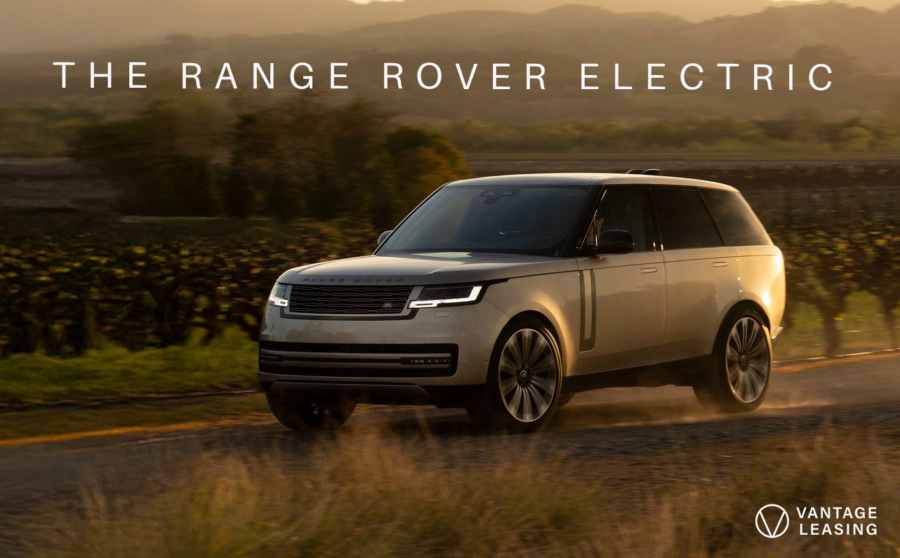
What to Expect from the Upcoming Range Rover Electric
There is a distinct buzz in the luxury automotive world right now, and it doesn't sound like a roaring V8. Instead, it’s a whisper. After months of intense winter testing...
Jul 03, 2026
Too busy to give us a call?
Request a call back from one of our specialised consultants